
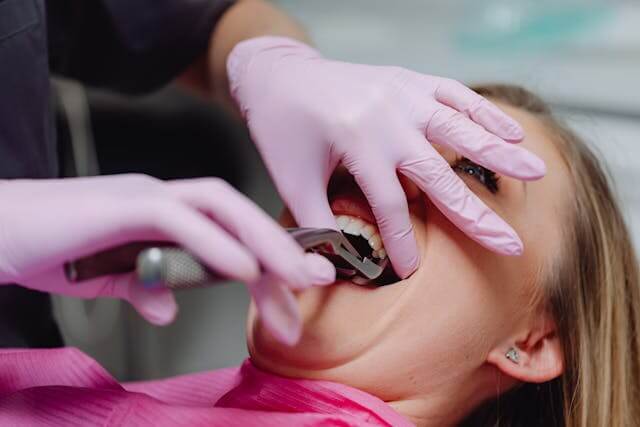
Are you preparing for a 3rd molar extraction and you don’t know what to expect? You are probably wondering what it feels like to have a bad wisdom tooth removed; how painful it might be or what your face might look like after the extraction.
It is one thing to have a successful removal of your 3rd molar and another thing to have a successful recovery. After the extraction procedure, your recovery has just begun. The events that follow are important in determining whether the procedure was truly successful.
What Is a Third Molar?
A 3rd molar is also called a wisdom tooth. The removal of a 3rd molar is what dentists refer to as a 3rd molar extraction. Research shows lower third molars are the most commonly extracted teeth.
Here are 7 things nobody warns you about that might happen after a 3rd molar extraction.
You Might Experience Pain
Usually, during tooth extraction, the tooth to be removed is numbed with a local anaesthetic so you don’t feel pain during the procedure. After the procedure, the patient is given painkillers to help control postoperative pain.
However, some patients may still experience pain either because they didn’t take the analgesic early enough or the local anaesthetic wore off quickly.
To avoid pain after a 3rd molar extraction, you should take your medication as soon as possible after the procedure.
The Extraction Site Might Bleed
After discharge from the dental clinic, the extraction site may start bleeding. This usually occurs if you don’t follow the instructions given by the dental team after a successful 3rd molar extraction.
If you experience bleeding from a 3rd molar extraction site, don’t panic. Get sterile gauze or a clean handkerchief. Fold it, place it on the socket, and bite hard for about 5 minutes. If bleeding doesn’t stop, present to the nearest accident and emergency.
Your Face May Swell after the Extraction
After a successful 3rd molar extraction, you might wake up the next day to discover your face is swollen on the same side where the tooth was removed. This is likely to occur if the 3rd molar extraction was traumatic.
If your face is swollen after a 3rd molar extraction, don’t panic. Facial swelling usually resolves in a few days. Your dentist will prescribe an anti-inflammatory medication if he suspects you are likely to experience facial swelling after your tooth is extracted.
What can you do if your face is swollen after removal of a bad wisdom tooth? As I said earlier, don’t panic if this happens. A cold compress will help to reduce the swelling. Also, take your medications as prescribed.
You May Have Difficulty Opening Your Mouth
After a difficult 3rd molar extraction, your jaw may feel like it can’t open wide. When this happens, opening your mouth wide will be painful. This is called trismus.
Trismus refers to muscle spasm in the temporomandibular joint that restricts mouth opening. It can occur after surgical or traumatic removal of the lower third molar. Trismus resolves as the surgical site heals.
Following jaw exercise instructions given by your dentist will help to relieve muscle spasms and improve mouth opening.
Extraction Site May Become Infected
The extraction site may become infected if you don’t observe good oral hygiene. Other causes may include poor adherence to postoperative instructions, uncontrolled diabetes, among other factors.
An infected extraction site will be swollen, reddish, and painful. If the infection is not treated, pus may form.
If you notice signs of infection at the tooth extraction site, see a dentist immediately to prevent the infection from spreading to surrounding structures.
Dry Socket May Occur
After a tooth extraction, a blood clot forms to fill the socket where the tooth was removed from and also to cover the exposed alveolar bone. If this fails to happen, it could lead to severe pain.
Dry socket means the extraction socket does not have a blood clot over it. It causes severe pain, sometimes more pain than the initial toothache.
A dry socket occurs when the blood clot that forms in the extraction socket fails to form, forms insufficiently, or is dislodged, exposing the alveolar bone. It usually occurs within the first three days after tooth extraction.
To reduce the risk of developing a dry socket, avoid smoking, don’t disturb the extraction site, and avoid vigorous rinsing or spitting after the procedure.
Nerve Injury May Occur
This is a rare complication of lower 3rd molar extraction. It involves injury to the inferior alveolar nerve, which often runs within the inferior alveolar canal close to the roots of the mandibular third molars. Nerve agitation, injury, or damage may occur on very rare occasions during third molar extractions.
Injury to the inferior alveolar nerve will lead to abnormal sensation or numbness on the chin, teeth, and lower lip on the side of the affected jaw.
If you notice numbness or abnormal sensation after a 3rd molar surgery, contact your dentist or oral surgeon immediately.
When to See A Dentist
If you notice any of these problems after a 3rd molar extraction, you must contact your dentist immediately.
- Bleeding from the extraction socket after you have been discharged home.
- Increasing or worsening pain a few days after undergoing a 3rd molar extraction.
- Increasing facial swelling despite taking your medications
- Fever
- Difficulty swallowing
- Pus or other signs of infection
- Persistent tingling sensation
- Difficulty breathing
Severe swelling affecting breathing is a dental emergency. Anyone who experiences this must report to the nearest oral and maxillofacial centre without delay.
Conclusion
Third molar extraction is quite common. The extraction procedure can be frightening if you don’t know what to expect. That is why you should visit a qualified dentist or oral surgeon for proper assessment and treatment if you have a problem with your wisdom tooth.
Avoid delaying dental care, as it can worsen the situation and increase the risk of complications. Ensure you visit your physician for a fitness assessment if you have an underlying condition like diabetes mellitus and/or elevated blood pressure before undergoing tooth extraction.